
Meet Edelweiss, the founder who built a whole street out of love, one "house" at a time.
Interview by Editorial Director: Aaliyah Smith | Featuring words by: Edelweiss Heredia | Photos courtesy of: Heart Avenue & EdelweissEdelweiss is named after a flower, and she'll tell you so. "It's like an open flower," she says, pronouncing it the way you'd hope: warm, unhurried, a little proud. It suits her, because everything she has built is meant to be open to anyone who wants to walk in.
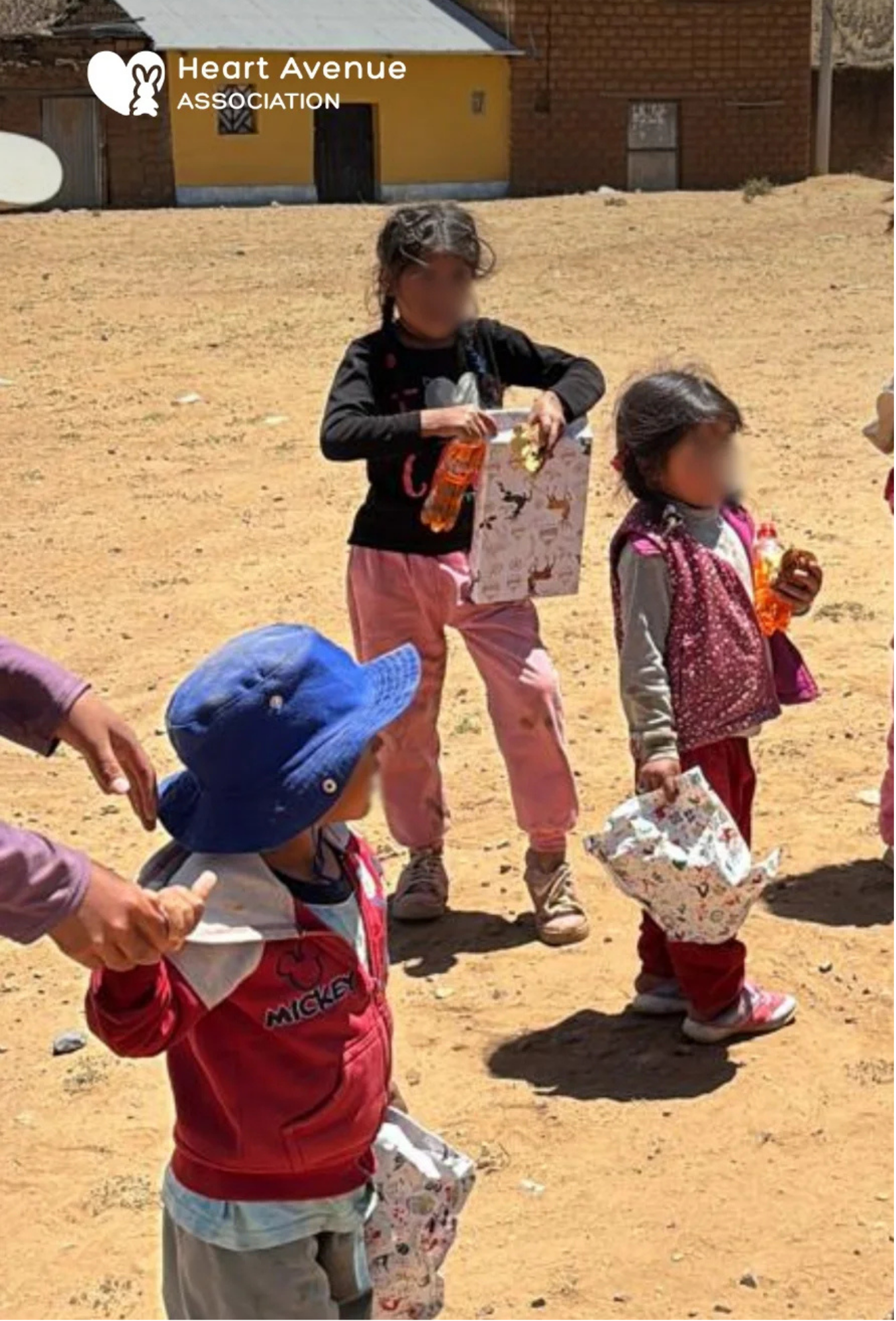
That building started in Peru, when she was about thirteen. Life was heavy then. Long medical treatments, a rough stretch at school, and days spent mostly at home or in the clinic. Looking for something to do, she searched for volunteer work, which is no small task in a country where volunteering is mostly seen as something university students do for internships.

She found a campaign supporting native communities and, in it, Claudia, a young architect who looked barely twenty and was deeply involved in community work. Edelweiss was, in her words, "completely obsessed." Claudia showed her what a life of service could look like, and Edelweiss decided she wanted to meet more people like her.
Her first project had a very Edelweiss name (Ninsun, after a Mesopotamian goddess) and a very humble beginning: a small school fair in a rural area, with homemade stickers and plenty of enthusiasm. By her own account, it was something of a disaster. It was also the start of everything.
When it came time to name the organization, she mixed two loves: world-building and a deep belief in love. She had spent years inventing fantasy cities, so why not build a real one? Heart Avenue would be a street, and a street is made of houses. Each local branch became a "House," with its own name, logo, and identity, and the people in it became something close to family.
Today, Heart Avenue is a global network. Founded in April 2025, it works across Peru, South Africa, Bahrain, the U.S., and Colombia, with more than 200 volunteers, and houses with names like Magic Hearts and Grace Ground. It runs volunteer teaching, psychology workshops, donation campaigns, and food programs for children and women.
Edelweiss's tagline came out of a real problem. In rural Peru, volunteers met communities that spoke different varieties of Quechua, where a word that means "book" in one town can mean something else entirely a few towns over. Frustration was easy to come by. So she gave her volunteers something to hold onto: love is the language of peace.
It started as a casual pep talk and ended up as the heart of the whole mission. The second half, the avenue is a path of hearts, reflects what she wants every volunteer to feel: that this is a place to put your heart in, not just follow orders.
To her, home means "a place where you have people who help you build a warm environment, somewhere to rest or to prepare yourself to give to others." It's a surprisingly good job description for an NGO.
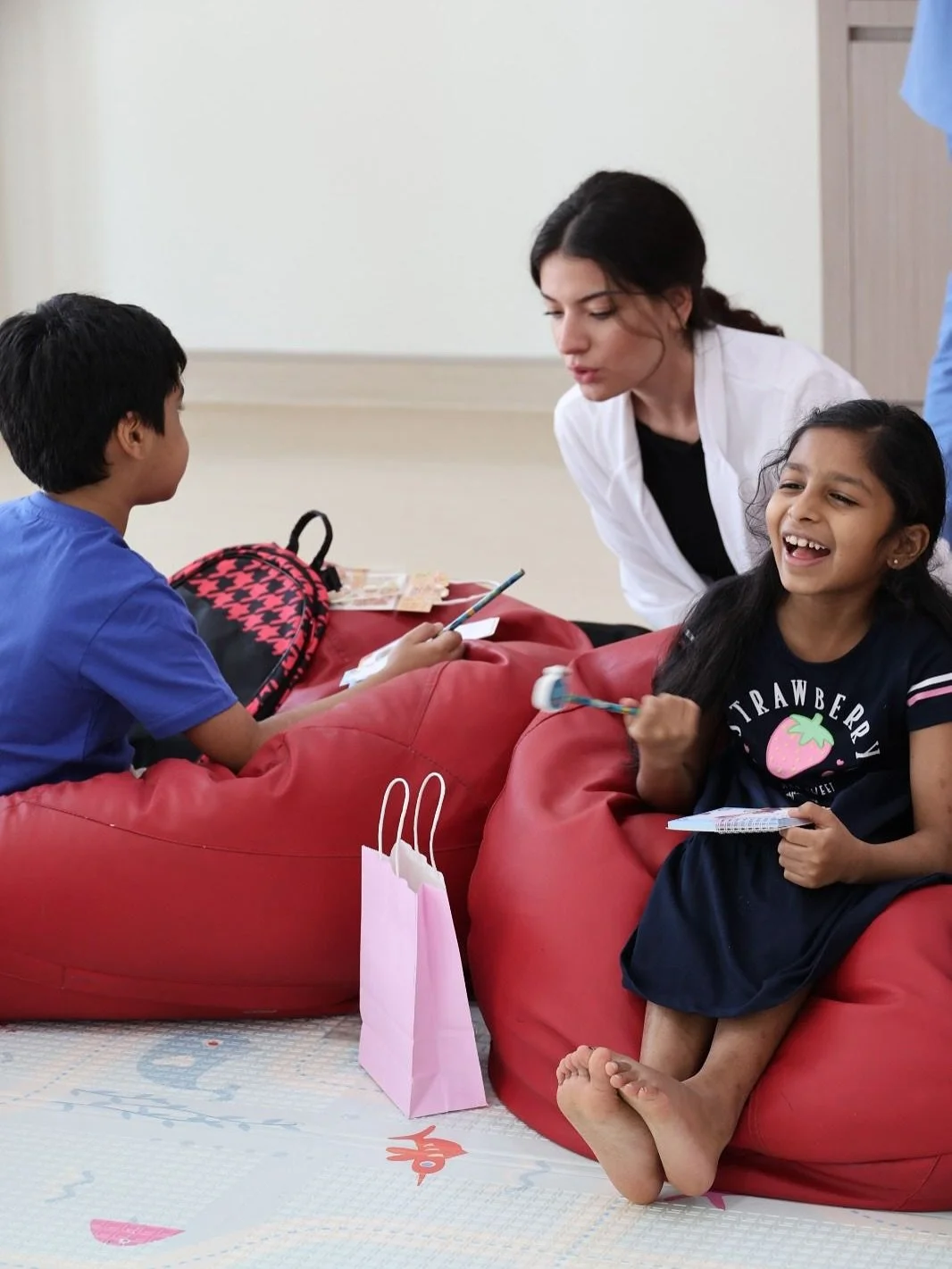
Ask her for the moment that captures Heart Avenue best, and she doesn't describe a big event or a milestone. It's the relaxed volunteer gatherings, with crafts, chatting, and a general assembly that she cheerfully calls "a complete disaster," where someone is always bringing a friend who'd like to join. It reminds her why she started: not just to help specific children, but so that girls her age could have a chance to volunteer, meet each other, and build something.
Edelweiss is candid about what she learned the hard way: she can't do everything herself. In the beginning she designed every post and worksheet, and she admits to having "a harsh eye" for it. But as the work grew, she had to let go. "I needed to trust the people I was working with," she says. Trusting them meant giving them the chance to lead, not just a seat at the table. It's still a work in progress, and she's glad about it.
For anyone who feels moved but doesn't know where to start, her answer isn't "do everything." It's to know yourself:
Be honest about what you can actually do. If you can't afford to donate a hundred books, don't promise to.
Start with your strengths. If you're good at design, start with social media.
Find real friends, not just work friends. You'll need people you trust when things get hard, or when you get sick before a big event.
Don't build a passion project just to impress adults. She isn't an environmental activist, so she wouldn't start an environmental project. "If you don't want to do something, don't force yourself."
Edelweiss wants this story to find young girls, especially the ones who scroll past a sixteen-year-old running programs in twenty countries and wonder what's wrong with them. Her message: most of those success stories have a whole community of support behind them that you don't see. Don't measure yourself against that. Ask what kind of success feels right to you, not what looks good on an application.
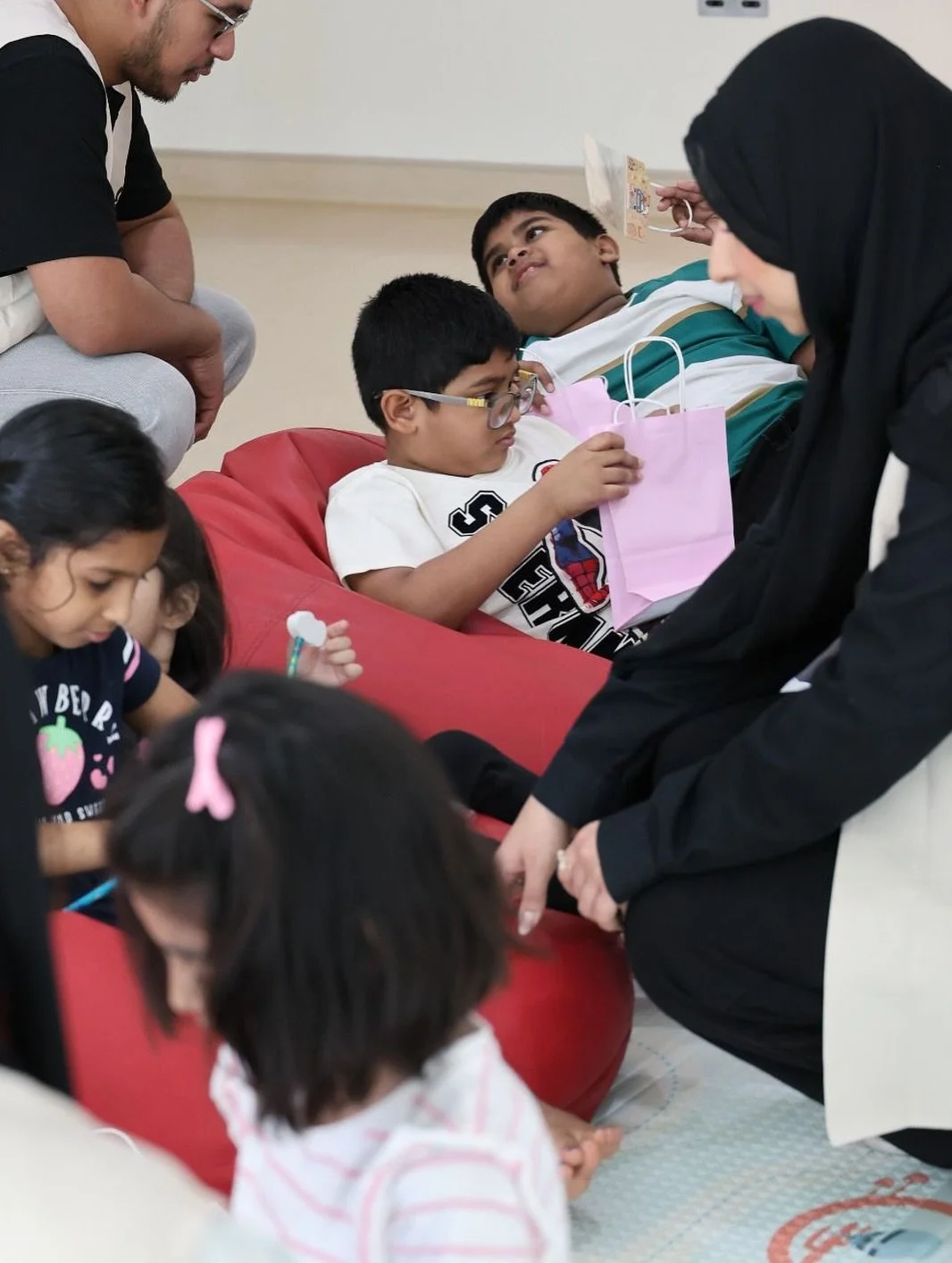
What she hopes for the organization now is simple: that volunteers see Heart Avenue as less of an institution and more of a place to make friends.
She's already seen it happen, with girls who showed up for volunteer hours and left as best friends. Age doesn't matter either. Whether you're younger, older, or somewhere in between, if you share the purpose, you belong.
That, in the end, is her whole philosophy. Every street needs houses, and every house needs a door someone can walk through.
—
Thank you for reading! Keep up with Editorial Director Aaliyah via her Instagram, follow along with Edelweiss via her Instagram and support the Heart Avenue Association via their website.
About Heart Avenue Association: Heart Avenue (or Heart Avenue Association) is an international non-profit organization focused on protecting, uplifting, and empowering women and children in vulnerable situations. With operational presence in global regions, they work to improve community well-being, education, and human rights. As a decentralized international non-profit, we have chapters across Peru, Colombia, Florida United States, Bahrain, and South Africa.