
COFFEE + NOUGHTIES DEPICTIONS OF WOMEN IN THE WORKPLACE
“I’m going to have to quit drinking coffee! And I love coffee — I really love coffee!” — Rory Gilmore (Gilmore Girls)Words by Staff Writer: Naimah Kaiyana Coleman-Brown
Coffee — the beverage of the working woman. From cappuccinos to espressos, coffee has been the go-to beverage for the modern-day workforce. Ranging from disposable cups to dainty coffee mugs, this comforting beverage has played an important role in contemporary, arguably feminist media through depicting women in the fast-paced corporate world. Coffee balances both sweetness and bitterness, a delectable representation of the tension between heightened stakes and endless opportunities. We consume coffee in our everyday lives and see it reflected even more on our TV screens. Coffee plays a significant role in media and television, particularly in the portrayal of the career woman and student. Think of brand-new fashion interns hurriedly picking up coffees for their austere boss or driven students pulling all-nighters — cardboard coffee cups in hand. But what makes this drink so important? What was its role in noughties ‘chick flick’ work dramas — and how has it made these dramas impactful?

Gilmore Girls (2000)
After the rise and stagnation of '90s third-wave feminism, the noughties were a time when female financial and social independence, alongside sexual autonomy, became the standard in media. Female pop groups promoted girl power and economic independence while television immersed us in the glamour and theatrics of workplace dramas. This encouraged an entire generation of women to strive for more aspirational futures — ones where identity prioritized personal financial dreams and specialized career paths over marriage and motherhood.
This media representation included female-led TV dramas such as Gilmore Girls, Ugly Betty, and Sex and the City, as well as movies such as Legally Blonde, 13 Going on 30, and The Devil Wears Prada. These pieces all follow a career-focused woman who moves forward despite odds and setbacks to flourish in her dream career. Not only does she work hard in her profession, but she achieves success through authenticity and flair. Regardless of the biased stereotypes cast on her, the prejudice she experiences, and the numerous setbacks she faces, this character ultimately pushes through these struggles with sweetness and charm — leading to eventual success towards the end of her story.
In each of these features, coffee plays an undervalued primary role. From being sipped on by the likes of Rory Gilmore in the silence of an empty library to being whisked in by the nervous new hires in Ugly Betty and The Devil Wears Prada — coffee makes itself the drink of the ambitious — and a tad bit anxious — corporate girl.

The Devil Wears Prada (2006)
This portrayal of career-oriented women comes as a no-brainer, as the 2000s followed in close succession to the end of third-wave feminism. However, a lot of these media depictions harbor feminist ideas while simultaneously promoting the principle that feminism no longer successfully exists. With the start of a brand-new decade, some people began to hold the notion that third-wave feminism had accomplished its mission: eradicating patriarchy, misogyny, and gender inequality. This would make the noughties a ‘post-feminist’ society where men and women were entirely equal, and feminism was no longer needed. And in some ways, some depictions of the 2000s career woman reflect this notion — with many media productions depicting feminism as an extremist and outdated ideology in comparison to the more level-headed and down-to-earth beliefs of the female protagonists.
Despite the untrue belief that feminism is a ‘thing of the past’, many of these female protagonists served as positive representation — career-wise — for younger audiences. Young women had characters to craft dream jobs and future ambitions around. Instead of a sexualized sidepiece, these women took center stage — creating a generation of girls who saw the importance of being career-focused, romanticizing their future places in society and the hectic journey it would take to get there.
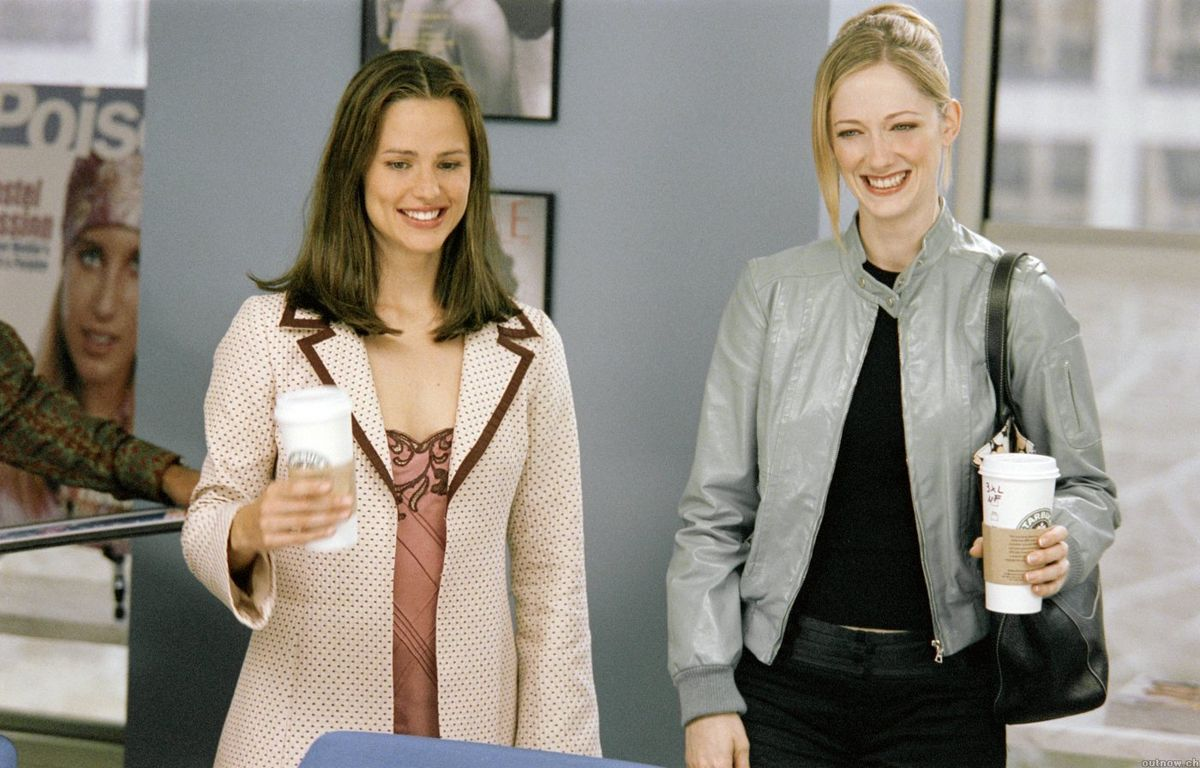
13 Going on 30 (2004)
This depiction of a drastic change in girls’ attitudes towards careers is exemplified in the studies of Looft (1971) and Francis (2000). In 1971, Looft studied second-grade Catholic schoolgirls’ career aspirations and found that most girls gravitated towards traditionally feminine career roles such as hairdressers, nurses, and air hostesses. Alongside this, many girls described their dream future as one where they were strictly mothers and housewives. A similar study was conducted in 2002, with Year 10 girls displaying a completely different outcome. Francis found that girls of the 2000s had a larger and more ambitious range of dream careers — with popular choices including doctors, pilots, and computer scientists — a complete 180 from the study done less than 30 years prior. Francis also found that plenty of girls saw their careers as their full identity in comparison to earlier hopes of motherhood and marriage alone, as many young women held the belief that you ‘could not rely on a man’ and therefore had to financially provide for yourself.
This change in career aspirations demonstrates the importance of media representation and how a change in media can lead to a change in society.
Although the 2000s aspirational work drama chick-flick protagonist was an inspirational role model for younger women, she did have her major flaws. Ranging from the promotion of strictly thin body standards to a severe lack of ethnic diversity, they promoted the idea that women could achieve anything, with the underlying implication of ‘only if you’re from a specific background’, with very few shows rebelling against this disparity (e.g., Ugly Betty).
But, in real life, coffee contradicts this inequality through connecting women of all different backgrounds. Coffee inspires sociability in the workplace as people drink coffee together while gossiping, communicating, and sharing new ideas — building up a ‘coffee culture’ that promotes strong workplace relationships and the ethos of a workplace environment.
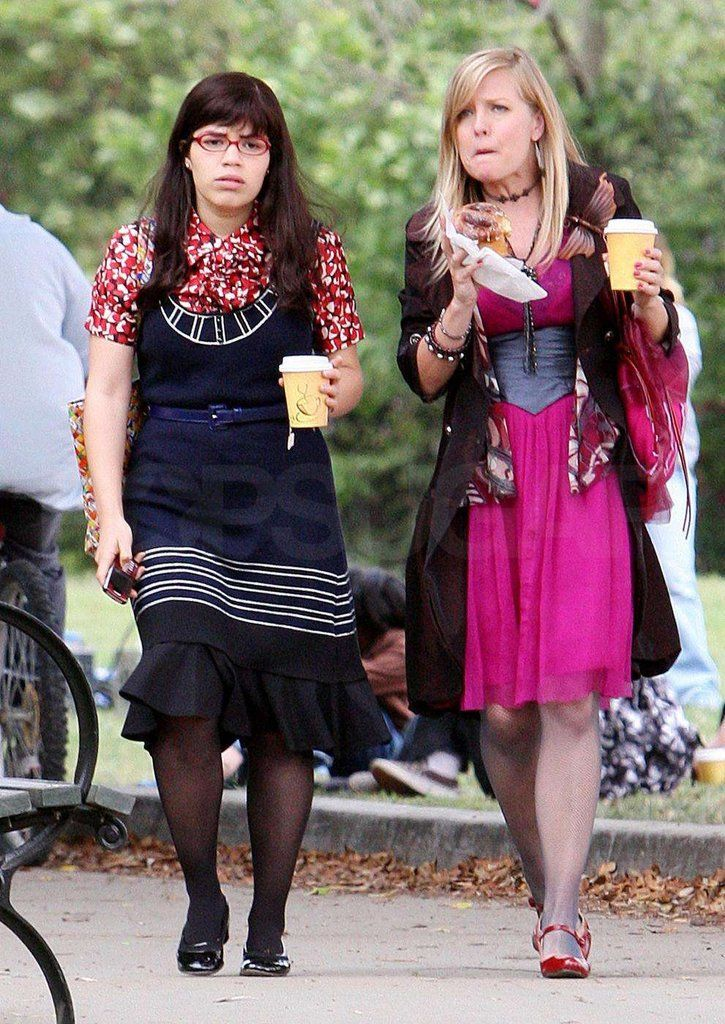
Ugly Betty (2007)
Within movies, television, and the spectrum of real life, coffee has made itself one of the most impactful drinks on the scene. This stimulating beverage accompanies hard work, inspiration, and innovation — and through the use of noughties media, plays a delicate role in encouraging the next generation of young women to focus on their personal, professional, and academic aspirations.
—
Keep up with staff writer Naimah Kaiyana Coleman-Brown via her Instagram.