
WHERE i-candy meets high fashion
Sweets-coded fashion to inspire your next look. <3
Words + Images by Staff Writer: Verlaine Raber
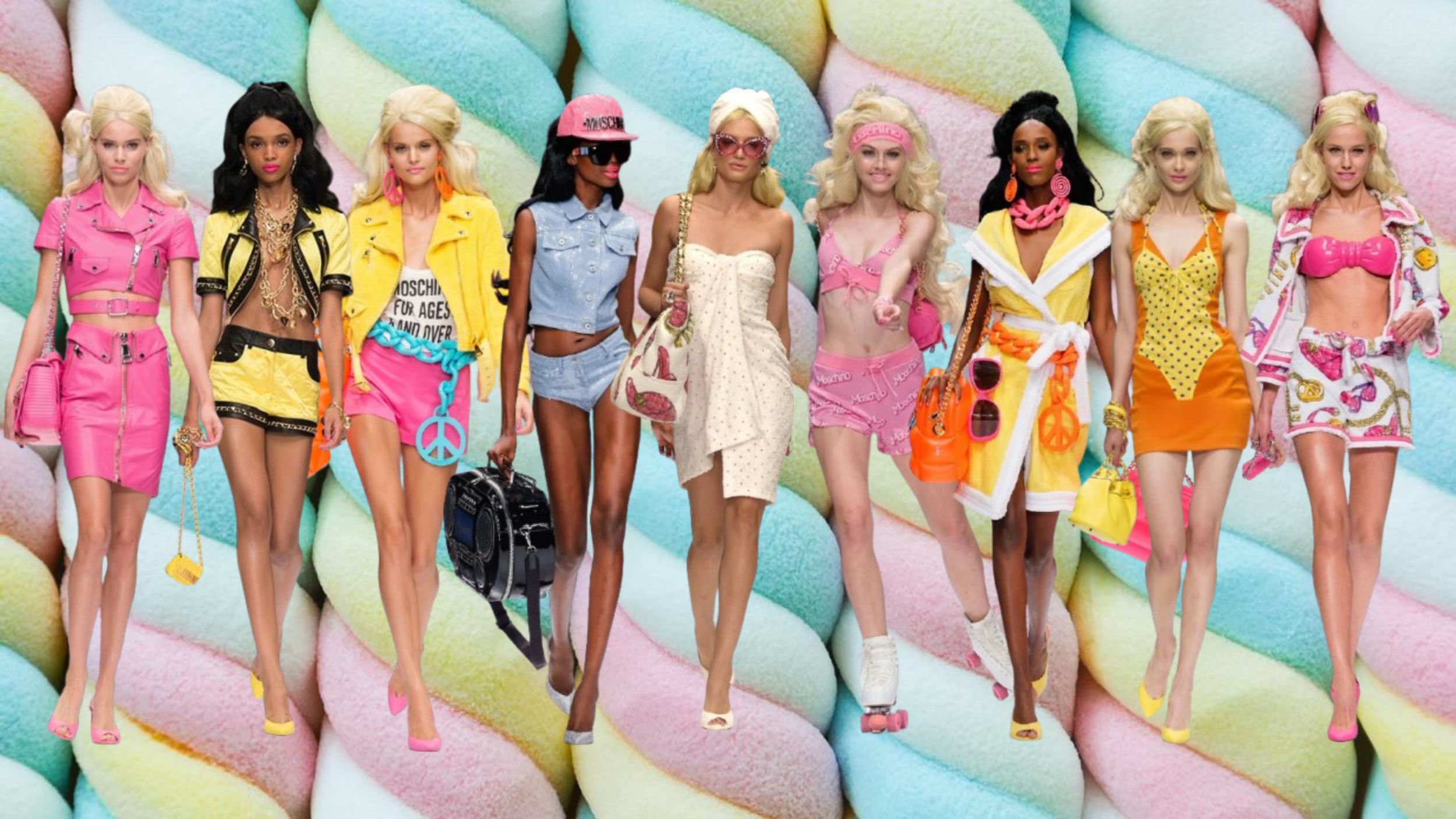
When i-candy and high fashion cross paths, don’t try to tell me Jeremy Scott’s Moschino doesn’t immediately come to mind. If any era of fashion could define the i-candy vision, it’s Jeremy Scott’s time at Moschino. One year after Scott’s iconic debut collection for the Fall/Winter 2014 season with candy wrapper dresses, the Spring/Summer 2015 collection still blows me away. Inspired by the beloved Barbie doll, the collection turned models into legitimate life-sized toys on the runway. Candy-coded pastel pieces adorned with oversized plastic accessories showed that the idea of becoming a real-life doll wasn’t so far-fetched. I also love that the collection took inspiration from all eras of Barbie. At its core, Barbie represents the idea that you can be anything you want to be, and I feel that when I look at this collection. You can be anything you dream of, have fun, and look good doing it!
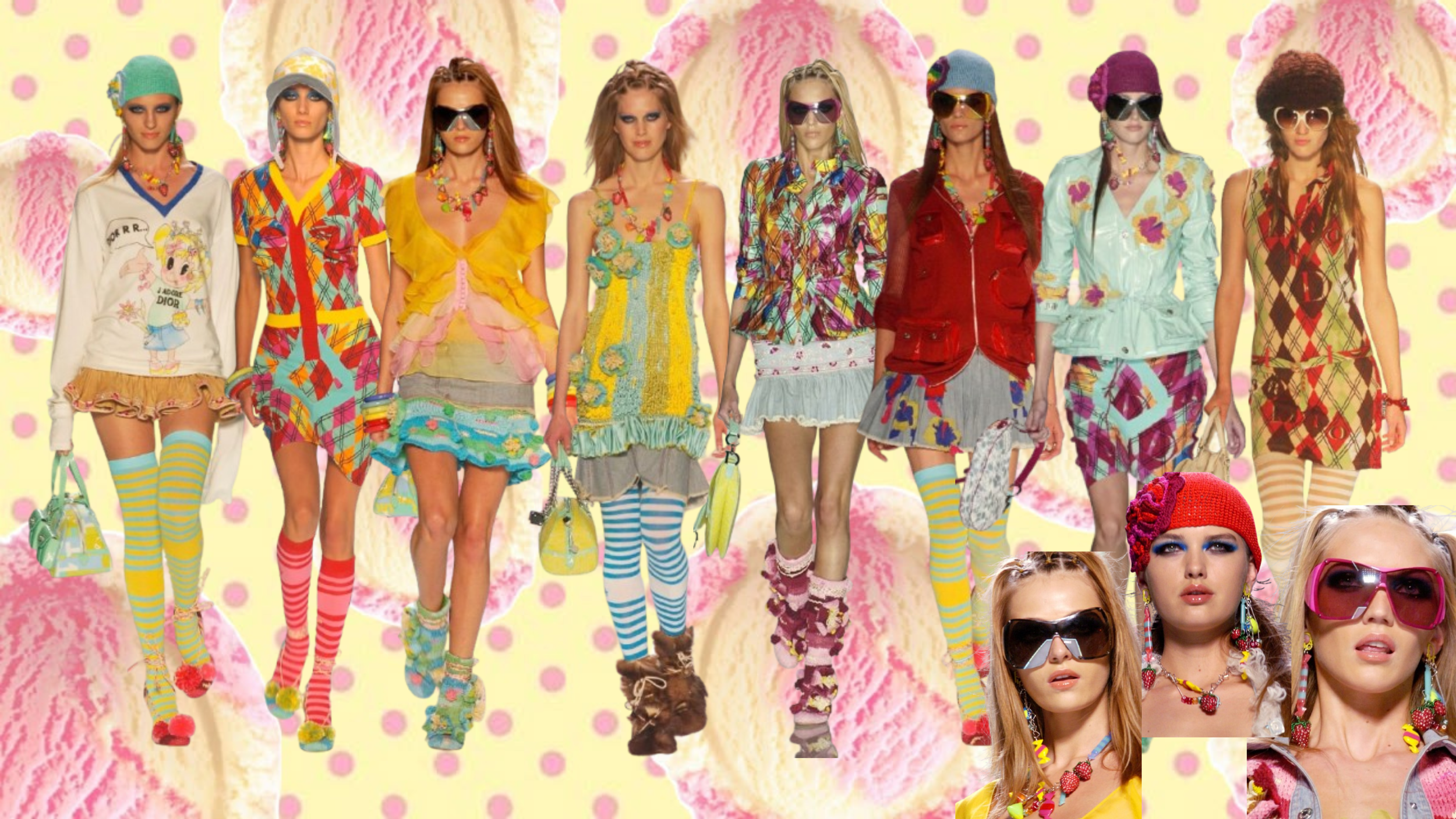
Dior Spring/ Summer 2005, oh what a lovely thing you are. It’s fun, it’s playful, it’s divalicious. What gets me is the candy jewelry. Was anyone else really into making polymer clay charms as a kid? This feels like the high fashion equivalent to that. It makes me want to go pick up that hobby again for old times' sake. What makes this show so interesting in the context of John Galliano’s work at Dior is its bright youthfulness. Galliano is known for collections presenting many elements of darkness along with theatricality and maximalism. This collection took those ideas and spun them on their heads, giving us quirky maximalist layering, patterns, and colors. It's the type of clothing you’d want to wear on a long, adventurous journey through Candyland.
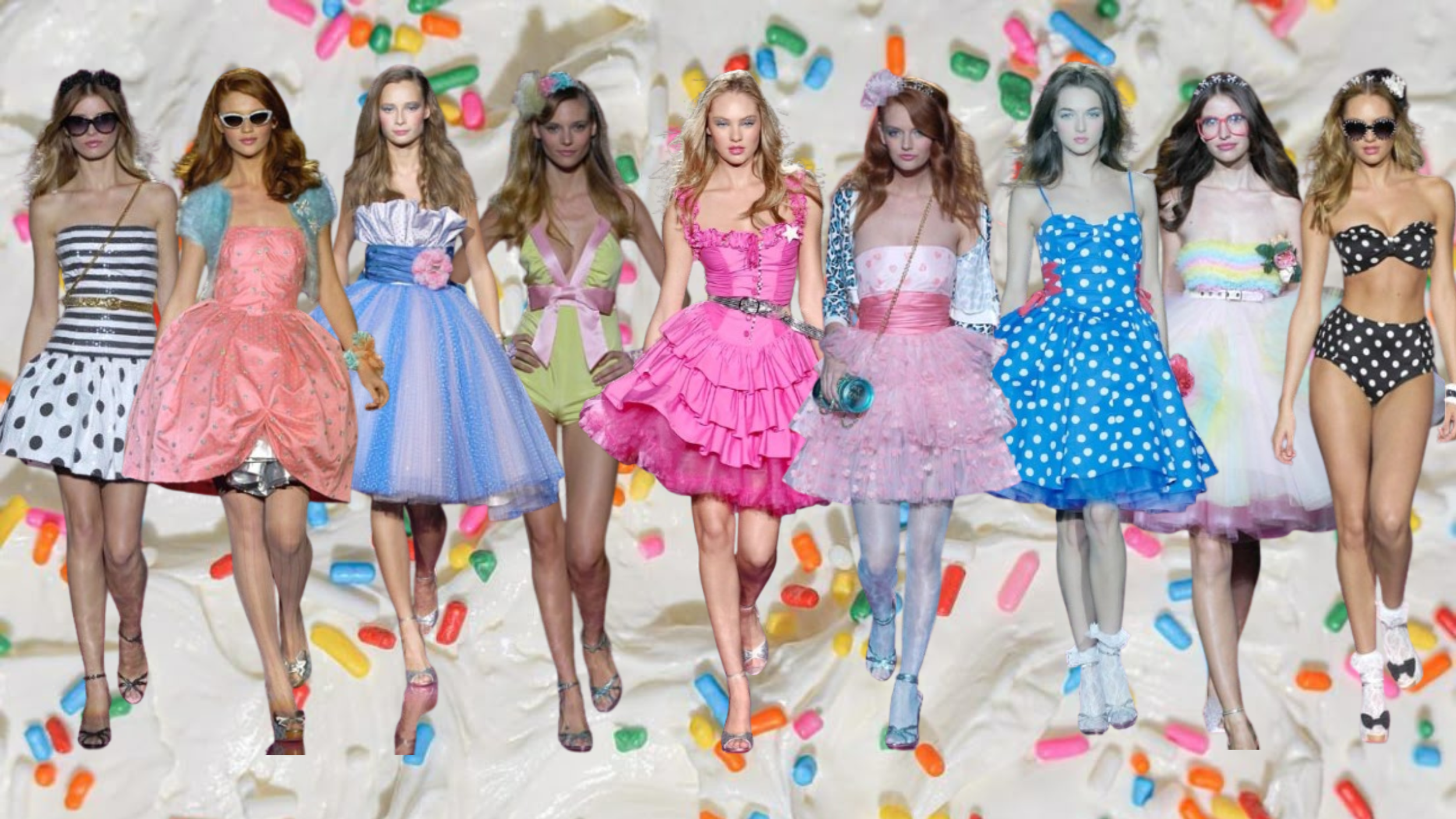
Betsey Johnson is for the whimsical side in you. Known for ending every runway show with a cartwheel, Betsey Johnson is a huge inspiration to me when it comes to unleashing creativity and presenting one’s true, authentic self to the world. The Spring/Summer 2008 collection makes me feel like I could be anything. It’s timeless in my eyes. My polka-dot craze has been in full swing, and there is no shortage of them in this collection. The inspiration behind these looks was high school prom with a retro twist—1950s swimwear, 1980s poofy prom dress silhouettes, and sailor uniforms, to name a few of the references and inspirations found in the show. I could name at least 10 more Betsey Johnson shows that harmonize with i-candy’s world, but then we’d be here forever.
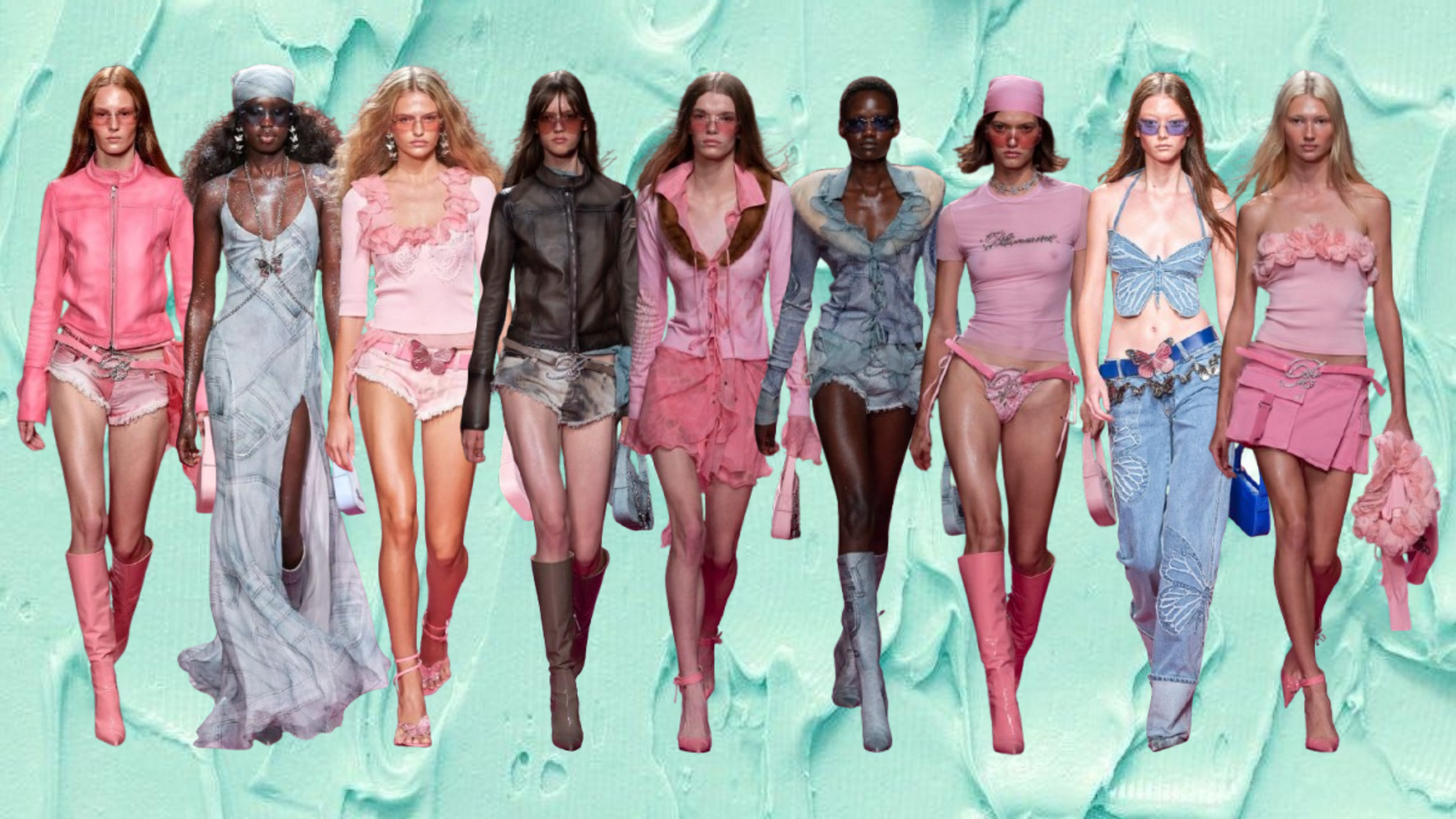
An early 2000s staple was, of course, Blumarine, but it wasn’t until 2020, when Nicola Brognano was appointed creative director, that he revived and revitalized the brand into the more modern Y2K aesthetic we are familiar with today. A year after his debut, the beautiful Spring/Summer 2022 collection was a rhinestone junkie’s dream. The collection perfectly encapsulated the glitz and glam of Y2K fashion with signature traits such as low-rise pants, split hems, butterfly motifs, and fur-trimmed cardigans. Brognano would continue shaping the world of Blumarine into a never-ending summer dream (hellooo, miss Zara Larsson vibes!) until October 2023, when he stepped down as creative director. The brand seems to be in good hands with new creative director David Koma, but I will be reminiscing on what once was.
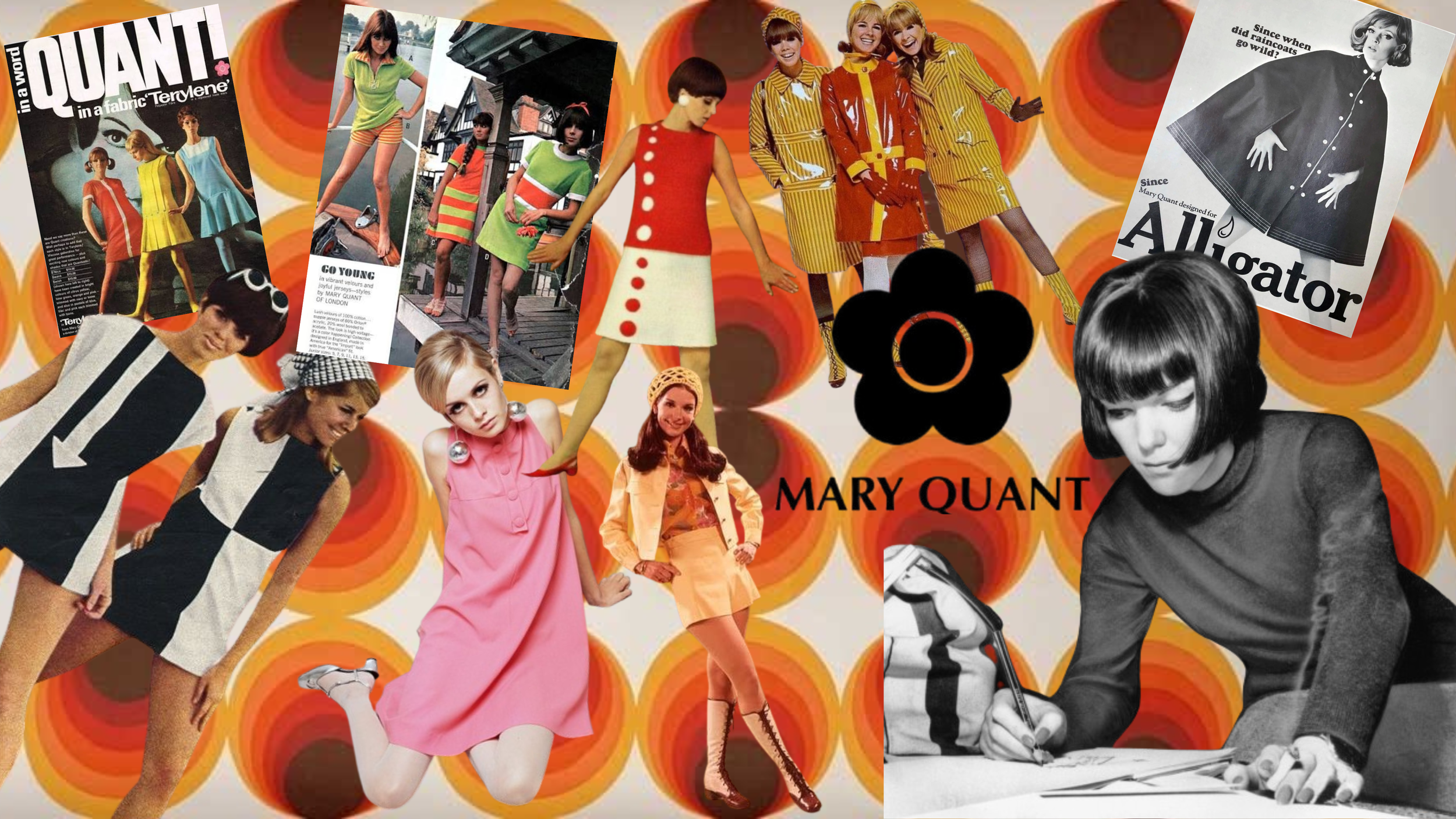
Lastly, I wanted to discuss not a collection, but a designer who is deeply integrated into fashion history and a huge inspiration to me and i-candy. Mary Quant was an iconic British fashion designer who played a leading role in shaping what we know as the 1960s mod trend. In honor of our first issue being all about life transitions, the story of how 1960s fashion came to be feels deeply connected to our theme. The transition from the '50s to the '60s was a major period of change worldwide. With the end of World War II, culture began to shift as youth culture took center stage, bringing women’s empowerment along with it. Mary Quant was a pioneer in women’s fashion as she looked at the world around her and saw what young women truly wanted to wear.
The most revolutionary clothing piece was the miniskirt (fun fact: the miniskirt was named after Mary’s favorite car!). As the '50s ended and the '60s progressed, hemlines became shorter. As a result, Quant partnered with a nylon company to innovate stockings into what we know today as tights, completely replacing stockings as the preferred choice. Often referred to as the “mother of mod,” Quant’s designs remain deeply influential in modern fashion. Her pieces featured fluid, bold lines and innovative silhouettes, prioritizing comfort and movement. She also played a major role in introducing trousers to womenswear, transforming them from a utilitarian garment into an everyday essential. Blurring the lines between femininity and masculinity, the concept was revolutionary and empowering for women. I encourage you to look deeper into her work—it’s fascinating to realize that without her innovations, we wouldn’t have many of the fashion staples we love today.
—
Keep up with staff writer Verlaine via her Instagram.