
An Era of Rebirth: How Kelela’s “new avatar” is transcending R&B
Words by Staff Writers: Leah Korenberg, Naimah Kaiyana Coleman-Brown & Mykayla Garcon | Photos by: Neva Wireko | Album Cover + Vinyl Graphics Produced by: Alyson CoxIn Kelela’s third studio album “new avatar,” her melodic voice carries us through complex emotions like a lullaby—immersing listeners in atmospheric vocals combined with hypnotic guitar production as she navigates the vulnerability and tension that arise in a turbulent relationship.
From titles such as “crystalize” and “new life forms,” “new avatar” is a sentimental reflection on human connection and the impact of rebirth. Kelela stated that the title ‘new avatar’ represented a newer version of herself, a balance between having the same person beneath but with a newer presentation. Many musicians seek to develop a sound that they can call their own, and Kelela is one of those artists who has certainly achieved that. In this album, you can hear the influx of the sound she’s creating, illuminating rock and jazz influences that Kelela embraced early on in her career.
The stark combination of Kelela’s mesmerizing and echoey vocals and brooding production exhibits not just her versatility as an artist, but R&B’s expansiveness as a genre. Kelela combines so many elements with R&B—showing the genre through a light that is mainly disregarded by other artists. She loves to show how you can mix something unconventional with R&B, turning it into something electric. Through her experimental style in the genre, Kelela stands out from any other music artist. Her albums become a diverse space where everyone is invited.
“I aim to write songs that are just good songs so that the people who listen for catchy melodies and lyrics can be there,” said Kelela in an interview with Lucy Jones. “I’m also thinking about the people who love R&B vocals — runs, the sort of pain in the inflections, and then the third category is probably the people who are listening for production.”
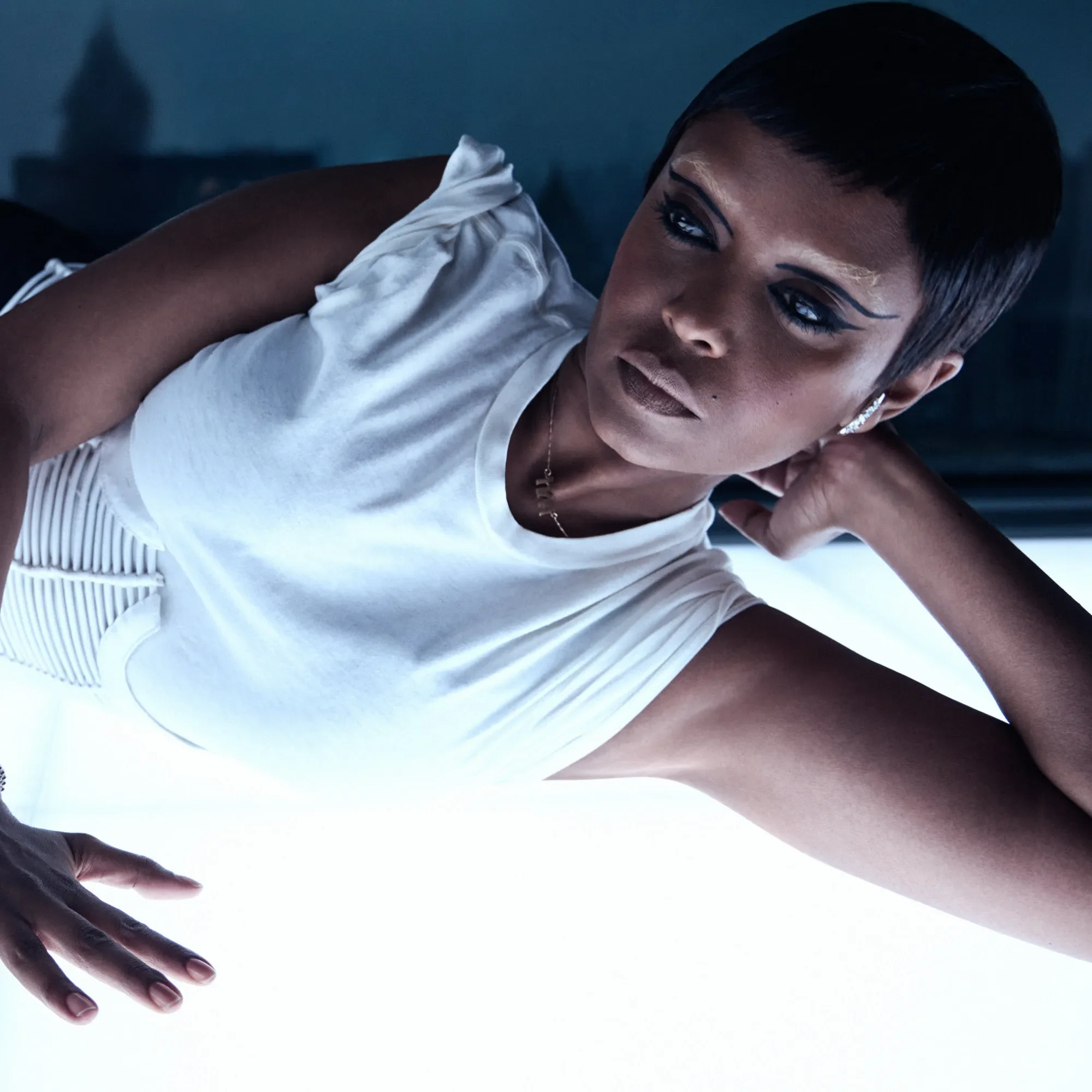
Kelela’s identity as a queer Black woman plays an integral part in her music. Through her celebration of intersectionality and diversity, Kelela offers an intimate portrayal of alienation among minorities and speaks loudly about the prejudice and discrimination she faces as a singer from a marginalized background. In her interview with Naomi Clément, she describes the industry's suppression of R&B music. She illustrates how R&B is a space for experimentation and complexity, originating in Blackness and the Black experience, and laments the lack of exploration and regeneration R&B music receives compared to other genres.
“When I first started, when I made the mixtape for example, at that time R&B had not kind of moved into the indie space, it was not coveted and held as a respectable complex and layered genre,” said Kelela. “I think it’s seen as something like many things that Black people are incredible at … no, my life depends on this in a way that it doesn’t for you. I have to be the best and the feeling of being excellent because you can’t see any other way that you’re gonna survive in the world creates a different relationship with excellence.”
She labels this concept ‘sonic racism’, exposing the discrimination and stereotypes that Black singers receive due to their identity. Through her music, Kelela independently deconstructs these boxes, leaving something sweet to the taste in its wake. Queerness also doubles as an impactful force in her music, with Kelela seeing queerness as ‘anything that does not exist within the binary,’ a concept that mirrors her sound. Through her newest album, Kelela generates a proud metaphysical space for marginalized communities to find comfort in and pushes the music scene to provide Black and queer experimental artists more recognition.
In an interview with BBC Radio 1Xtra, Kelela declared that one of her theses for this album is that “R&B is the most expansive genre in the world.” “new avatar” showcases R&B’s multi-faceted, genre-bending abilities while catering to audiences across several genres of music. Kelela described the album as a love letter to her Black queer audience that has historically compartmentalized their love of alternative music.
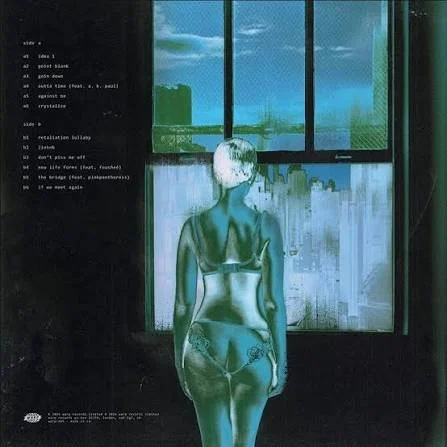
“When I was thinking about making this album, I was definitely thinking about my black queer audience, who I know alongside their love for R&B and what they really grew up on, have also experienced and loved a lot of guitar, rock, indie, metal, hardcore music, and have had to be ok with one of being one for four Black people at the hardcore shows,” said Kelela in conversation with Naomi Clément. “For me, this is a love letter to those people and giving them an opportunity to experience all of the things at the same time.”
Unlike her previous bodies of work, guitar is a prominent feature of the album and reinforces the frustration and heaviness that Kelela conveys. Kelela envisioned creating a guitar album for several years, and originally produced “outta time” with A.K. Paul for her 2017 album “Take Me Apart.”
“I want to find the perfect house for that sound, and I was like, when I do my guitar record, this is going to make perfect sense,” said Kelela in an interview with Naomi Clément.
“point blank” and “going down” are the album’s most tension-filled tracks seething with frustration with lines like “By now i hope you see, The guns are pointed at me, And more i pour, the more you reap, Got me working while you’re fast asleep,” and “You get on my nerves, This ain’t what i deserve.”
When describing the album’s visuals and overall theme as “darkness in the city,” Kelela emphasizes that the tension on this record mirrors a couple living together to alleviate financial burdens and the competition for limited resources, heightening divisiveness and vitriol toward one another.
“A lot of the things that I’m talking about on the record, it’s everywhere, but it feels like people living in close proximity fighting over resources, having to bump into each other in a certain type of way,” said Kelela in an interview with Naomi Clément. “A lot of the friction that I am talking about on the record feels like it is a city-dweller's friction.”
As we reach the album’s midpoint, “against me” immaculately transitions into “crystalize,” which emerge as sonic siblings that are reminiscent of the rationalization stage of a relationship to justify trying to make it work, even if it's not for the best. In “retaliation lullaby,” Kelela illuminates her stance at a crossroads in this relationship, feeling conflicted, as the lyrics “when to walk, when to fight” encapsulate the album's overarching message of feeling trapped.
“It wasn’t even like I had to think about a particular person. It’s almost like each song is like many different men I’ve had experiences with,” said Kelela in conversation with Naomi Clément. “The reality is like things aren’t better, everything’s deeper into the shits actually, it’s more shitty. I feel like I just have to be courageous and articulate exactly where I’m at because I think when I’m honest about what I’m experiencing, it’s usually what everyone else is also experiencing.”
“new avatar” universally evokes a commemoration of deficiencies experienced in past relationships, prompting listeners to reflect on ways they have been failed. We often discount how the romantic relationships pursued during teenage years and early adulthood alter the landscape of future relationships. Navigating tumultuous relationship dynamics and heartbreak at a young age allows one to identify toxic behavior more instinctively and often facilitates crucial healing and transformation, aligning you with your truest self.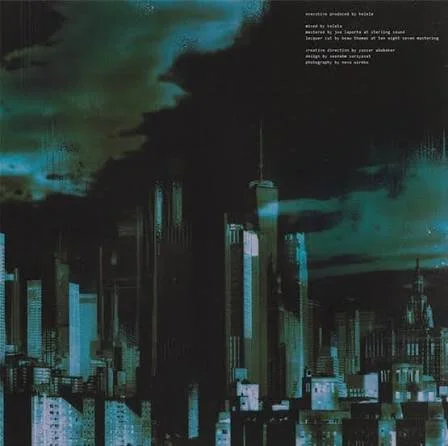
Kelela can draw in and harness the most intense emotions while also letting the listener relate and soak up the story she is telling. For many who feel the weight of her intensity, the album’s summer release is somewhat questionable due to the album’s reminiscence of fall. Some artists rely on the mood and intimacy of a season to convey their message because it becomes more immersive.
However, in the ways of Kelela, she has been able to make music that people feel like they can listen to in any season and at any time. The sweetness of the beats throughout the songs mesmerizes you; it melts off ice cream, with the bitterness that hits with the intensity of the lyrics that gives the taste of coffee.
Nonetheless, we understand why people feel that way towards music. Upon the first listen, “idea 1” would be an ideal ambient sound on a bus, train, or car, or even just walking, with rain pouring in the fall on the way to your destination. It’s so warm that it can come across as soulful as R&B does, but with those strings, that electric rock feel sweeps right in. You digest the different sounds that you hear from the album with similarities that make you feel like you’re passing through the genre of rock, indie, some Jersey club, or even the feeling that you’re entering a boiler room remix.
The track that felt immersed in a boiler room was none other than “the bridge.” The mix of those UK elements from PinkPantheress combined with the distinct sound that comes from Kelela illustrates a different avenue for Black female artists dabbling in this sound. “the bridge” emulates the emotion that “linknb” gives, but it perfectly correlates with the rest of the album and has that sensual indie feel with remnants of NOLA bounce tied in.
Kelela also collaborated with Fousheé on “new life forms,” the album’s most upbeat, light and airy track perfectly encapsulates the bliss and hopefulness that comes with falling in love and the calm before the storm. “new life forms” captures the essence of a blossoming relationship and the highs and bliss you experience in the honeymoon phase and exudes a longing desire to remain in a euphoric state, absent of discontentment.
“if we meet again” is Kelela’s most definitive track, proclaiming her exhaustion and concluding that the relationship is no longer sustainable. It is arguably her most vulnerable track, as the lyrics are a lot more demanding in terms of feeling disappointment over the relationship, which seems like closing the chapter, as she says “You don’t try hard enough, Even when it’s easy and obvious, You don’t rock hard enough, You’re playin’ in my face, that’s why I’m givin’ up”. While the sound contrasts sharply with the harshness of her words, the dynamic shifts throughout the album as Kelela comes to terms with moving on.
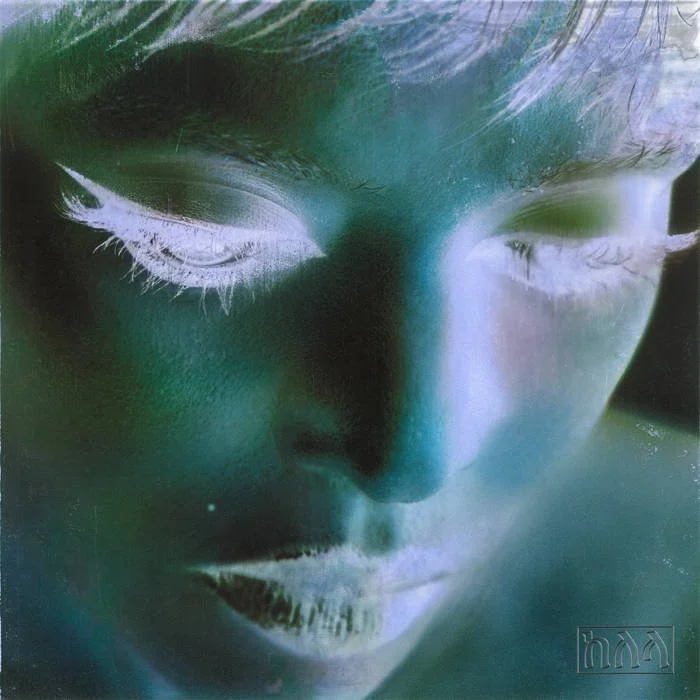
As a standout album in Kelela’s discography, “new avatar’s” creativity and uniqueness are its most prominent features. The intimacy of the music videos actualizes the atmospheric romance felt throughout the song and embraces the essence of what a music video is supposed to evoke, which is refreshing to witness. It’s not surprising that Kelela touches all bases for her artistry. Yet, it's tasteful to see that artists are still hungry to break barriers with music, especially when they are in positions that the industry is not willing to advance. A Black female artist making her own sound instead of fitting into the box the industry pushes them into is meaningful.
“I feel like I’m an artist for people who are late bloomers, people who are still wanting a dream. I think we live in a culture of prodigiousness, and like if you’re not standing on a stage by the time you’re nineteen, it might be over for you,” said Kelela on Apple Music radio with Zane Lowe. “It took a lot of courage for me to continue to push through that feeling of like, is it over, and I’m definitely proof that it’s not over, guys.”
Seeing this album flourish the way that it has is deeply admirable given the unique journey that Kelela has taken in her pursuit of music. Kelela continues to create her own path and to widen a lane for other Black artists who make different music. As a Black woman in her 40s in the creative entertainment industry, Kelela is very inspirational to other young and older women who have doubted whether their dreams are achievable. Witnessing Kelela reaping the benefits and thriving after taking a chance on herself involves a catharsis that we need to take more advantage of and celebrate.
—
Listen to ‘new avatar’ via Spotify and Apple Music, and keep up with staff writers, Leah , Naimah, and Mykayla via their Instagrams.